
Home security begins with understanding the locks, keys, and access points that protect your family and possessions. As homeowners in Belleville, NJ, you face unique security challenges that require both awareness and proactive measures. Whether you've just purchased your first home or have lived in the area for years, knowing the fundamentals of locksmith safety can make the difference between a secure residence and a vulnerable target. At Belleville NJ Locksmith, serving the community at 15 Hornblower Ave, we've witnessed countless situations where simple preventive measures could have saved homeowners from stress, expense, and potential danger. This comprehensive guide shares professional insights to help you safeguard your home effectively.
Understanding Your Home's Lock System
Your home's security starts with understanding the various types of locks protecting your property. Not all locks offer the same level of protection, and knowing what you have installed is the first step toward improving your home security.
Deadbolts remain the gold standard for residential security. A quality deadbolt extends at least one inch into the door frame, making it significantly more resistant to forced entry than spring latch locks. Single-cylinder deadbolts use a key on the exterior and a thumb turn on the interior, while double-cylinder versions require keys on both sides. Each has its place depending on your door configuration and security needs.
Spring latch locks, commonly found on doorknobs, should never serve as your only line of defense. These locks can be easily manipulated with credit cards or thin tools, offering minimal protection against determined intruders. If your exterior doors rely solely on knob locks, upgrading to deadbolts should be your top priority.
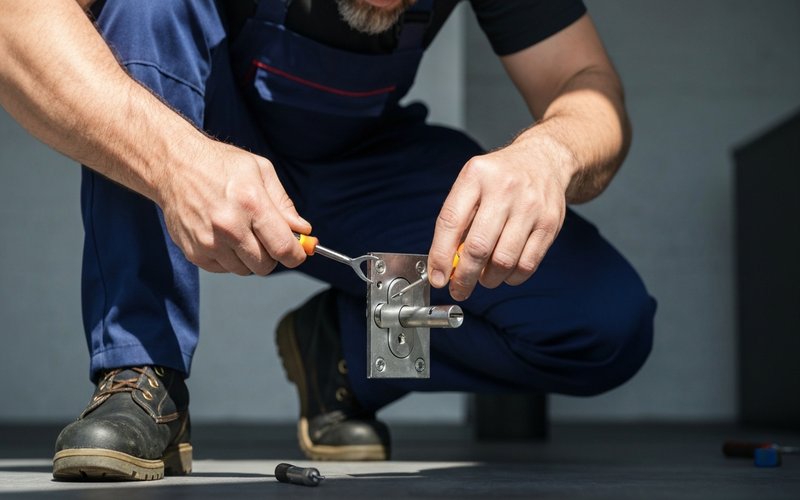
Smart locks have gained popularity in recent years, offering keyless entry through smartphones, key codes, or biometric readers. While convenient, these systems require regular software updates and strong passwords to maintain security. Many homeowners in Belleville appreciate the ability to grant temporary access to service providers or track who enters their home.
High-security locks incorporate advanced features like pick-resistant cylinders, hardened steel components, and patented key designs that prevent unauthorized duplication. For homes in areas with higher crime rates or properties containing valuable assets, investing in high-security locks provides substantial peace of mind.
Proper Key Management Practices
How you manage your keys directly impacts your home security. Poor key handling habits create vulnerabilities that criminals actively exploit.
Never hide spare keys in obvious outdoor locations. Fake rocks, under doormats, above door frames, and in planters rank among the first places burglars check. Instead, consider leaving a spare key with a trusted neighbor, using a combination lockbox in a discreet location, or installing a keypad entry system that eliminates the need for hidden keys entirely.
Label your keys wisely. Never attach tags with your home address to your key ring. If you lose your keys, you've essentially provided a map to your property. Use color coding or ambiguous markings that only you understand. If you must label keys for identification, use codes that don't reveal what they unlock.
Control key duplication carefully. When having keys made, use reputable locksmiths who maintain professional standards. Avoid leaving keys with anyone you don't fully trust, and keep track of how many copies exist. When moving into a new home, immediately rekey all locks since you can't know how many previous copies might exist.
Regarding the common question of whether you should leave your keys in the door at night: absolutely not. This practice significantly compromises your security. Keys left in interior locks can be accessed through broken windows or mail slots, and they prevent you from locking certain types of deadbolts. Additionally, in emergency situations like fires, fumbling for keys in locks wastes precious seconds.
When to Rekey or Replace Your Locks
Certain situations absolutely require rekeying or replacing your locks to maintain security integrity.
After purchasing a home, rekeying should occur before you move in. Previous owners, their family members, contractors, real estate agents, and service providers may have copies of keys. Rekeying changes the internal pins so old keys no longer work, giving you complete control over access without replacing the entire lock mechanism.
If you've experienced a break-in or attempted forced entry, assess whether locks need replacement rather than just rekeying. Damaged locks may have compromised structural integrity even if they still function. Upgrading to more secure locks after a security breach often makes sense both practically and psychologically.
Lost or stolen keys warrant immediate action. If your keys disappear along with identifying information like a wallet containing your address, rekey promptly. Even without address information, err on the side of caution, especially if keys were lost in your neighborhood.
After ending relationships or changing roommate situations, rekey to ensure former occupants cannot access your home. This applies to romantic relationships, tenant turnovers, or any situation where someone previously had legitimate access but should no longer.
When locks show signs of wear, such as keys that stick, cylinders that resist turning, or visible damage, replacement prevents being locked out at inconvenient times. Worn locks also become easier for criminals to manipulate.
Choosing and Vetting Locksmith Professionals
Knowing how to identify reputable locksmith services protects you from scams and ensures quality work.
In New Jersey, locksmiths must be licensed. The state requires locksmith businesses to hold proper credentials, and technicians should provide identification upon arrival. Don't hesitate to ask for license information before allowing someone to work on your locks. Legitimate professionals expect this question and readily provide documentation.
Established local businesses with physical addresses offer accountability that fly-by-night operations cannot match. Our location at 15 Hornblower Ave, Belleville, NJ 07109 provides customers with a real place to visit if questions arise. Be wary of locksmiths who only provide phone numbers without physical business addresses.
Request detailed estimates before authorizing work. Professional locksmiths provide clear pricing information, explaining labor costs, parts, and any service fees. Extreme variations from these estimates should only occur if the initial assessment missed complications, which the technician should explain before proceeding.
Regarding typical costs, hourly rates for locksmith services generally range from $50 to $150, with emergency after-hours services commanding premium pricing. Simple tasks like rekeying single locks cost less than complex installations or emergency lockouts. Transparent locksmiths discuss pricing upfront, allowing you to make informed decisions.
Check reviews and references from multiple sources. Online reviews, Better Business Bureau ratings, and personal recommendations from Belleville neighbors provide insights into reliability and service quality. Consistent patterns in feedback reveal more than isolated experiences.
As for tipping locksmiths, it's not expected but appreciated for exceptional service, especially during emergency calls or challenging situations. If a technician goes above and beyond—working in harsh weather, accommodating urgent timing, or providing helpful security advice—a tip of $10-$20 acknowledges their effort.
Securing All Entry Points
Front doors receive most security attention, but comprehensive home protection requires securing every potential access point.
Back and side doors often feature lighter security than front entrances, yet they're frequently targeted because they're less visible from streets. Install deadbolts on all exterior doors, ensuring the same quality standards apply regardless of location. Reinforce door frames with strike plates secured by three-inch screws that anchor into wall studs rather than just the frame.
Sliding glass doors present unique vulnerabilities. Even with locks engaged, determined intruders can lift doors off tracks or force locks. Install secondary blocking devices like security bars in the lower track, or use pins through pre-drilled holes to prevent opening. Anti-lift devices prevent doors from being lifted off tracks entirely.
Garage doors serve as major entry points often overlooked in security planning. Keep garage door openers secure, never leaving remotes in vehicles parked outside. Consider upgrading to smart garage systems that send alerts when doors open and allow remote monitoring. Keep the door between your garage and home's interior locked and as secure as your front door.
Basement windows and window wells provide concealed access points. Install window locks or pins, consider security film to prevent glass breaking, and ensure window well covers can't be easily removed. Ground-level windows throughout your home deserve similar attention with quality locks and potentially security bars for high-risk areas.
French doors and double-door entries require special consideration. Both doors need securing, not just the primary one you typically use. Flush bolts on the inactive door and deadbolts on the active door create proper security. Astragals (the overlapping pieces where doors meet) should be reinforced to prevent prying.
Emergency Preparedness and Lockout Prevention
Preventing lockouts and preparing for lock emergencies saves time, money, and stress.
Develop redundant access methods to your home. Beyond physical spare keys with trusted neighbors, consider smart locks with multiple entry methods like codes, smartphone apps, and traditional keys. This redundancy ensures you're never completely locked out.
Maintain your locks proactively. Lubricate cylinders annually with graphite powder (never oil-based products that attract dirt), tighten loose hardware, and address minor issues before they become major problems. Well-maintained locks function more reliably and last longer.
Keep emergency locksmith contact information accessible. Save our number in your phone before you need it. During lockout emergencies, stress makes searching for reliable locksmiths difficult. Having vetted professionals identified in advance prevents desperate decisions.
Document your lock types and key codes. Photograph your locks and keys, noting brands, models, and any identifying numbers on keys or cylinders. Store this information securely online or in a safe deposit box. This documentation accelerates replacements if needed and helps locksmiths prepare appropriate supplies.
Create a household security plan that all family members understand. Everyone should know proper locking procedures, what to do if they suspect attempted entry, and how to respond to lock malfunctions. Children old enough to have keys need instruction on key security and what to do if keys are lost.
Seasonal Security Considerations for Belleville Homes
Belleville's distinct seasons create specific security challenges requiring adapted approaches.
Winter weather affects lock functionality. Frozen locks frustrate homeowners during cold snaps. De-icer sprays provide temporary solutions, but prevention works better. Apply graphite lubricant before winter to reduce moisture accumulation inside cylinders. Never force frozen locks, as broken keys in cylinders create bigger problems requiring professional extraction.
Vacation periods demand special security measures. Before traveling, ensure all locks function properly—discovering problems while rushing to the airport creates unnecessary stress. Consider having trusted neighbors collect mail, or use postal holds. Smart locks allow granting temporary access to house sitters without distributing physical keys.
Spring and fall bring increased contractor activity for home improvements. When hiring contractors, never provide unsupervised access to your home. If circumstances require giving keys to workers, rekey immediately after project completion. Alternatively, install temporary code locks that you can reprogram once work finishes.
Holiday seasons see increased burglary rates as criminals target homes filled with gifts or known to be vacant during family travels. Upgrade security before holiday seasons, check that all locks function optimally, and consider additional measures like security system signs and visible cameras as deterrents.
Advanced Security Measures Beyond Basic Locks
Layering security creates defense in depth that protects homes more effectively than locks alone.
Security systems complement physical locks by detecting unauthorized entry even if locks are compromised. Modern systems integrate with smartphones, providing real-time alerts and allowing remote monitoring. While not strictly locksmith territory, we recommend coordinating lock security with comprehensive systems.
Video doorbells and cameras serve dual purposes: deterring criminals and providing evidence if incidents occur. Visible cameras make homes less attractive targets, while recorded footage helps police investigations and insurance claims.
Motion-sensor lighting eliminates the darkness criminals prefer. Well-lit entry points, pathways, and potential hiding spots around your property reduce risk. Solar-powered options require no wiring, making installation simple.
Reinforced door frames and security doors add layers beyond quality locks. The strongest deadbolt fails if door frames splinter during kick-in attempts. Metal reinforcement plates, longer screws, and solid-core doors significantly improve resistance to forced entry.
Safe rooms or secure interior spaces provide last-resort protection. A bedroom door with a quality lock, a charged phone, and supplies for sheltering in place gives families options if intruders breach exterior locks.
Common Lock-Related Mistakes to Avoid
Avoiding common errors prevents vulnerabilities that undermine even quality locks.
Never assume builders' locks provide adequate security. New construction often includes basic, builder-grade locks chosen for cost rather than security. Upgrading to quality locks should be among your first actions in new homes.
Don't neglect regular maintenance. Locks seem simple, but they're mechanical devices requiring occasional attention. Waiting until problems arise often means dealing with failures at the worst possible times.
Avoid DIY lock installation unless you possess genuine expertise. Improperly installed locks create false security—you believe you're protected while vulnerabilities exist. Professional installation ensures locks function as designed.
Never ignore signs of tampering. Scratches around keyholes, fresh damage to door frames, or locks that suddenly function differently might indicate attempted or successful unauthorized access. Investigate suspicious signs rather than dismissing them.
Don't overlook interior door locks for privacy and safety. Bedroom and bathroom locks prevent accidents and provide privacy, while also offering protection in home invasion scenarios by creating barriers between intruders and family members.
Understanding Belleville's Security Landscape
Local context shapes appropriate security measures for Belleville homeowners.
Regarding whether Belleville, NJ is safe: like any community, safety varies by neighborhood and circumstances. Belleville maintains relatively moderate crime rates compared to surrounding areas, but property crimes occur in all communities. Appropriate security measures make sense regardless of statistics, as they protect against both local incidents and criminals traveling from elsewhere.
Neighborhood watch programs and community awareness contribute significantly to security. Knowing your neighbors creates informal surveillance networks where suspicious activity gets noticed and reported. Engaged communities experience less crime because criminals prefer areas where they won't be observed.
Local police recommendations often reflect specific regional crime patterns. Belleville police periodically share security tips addressing current concerns. Staying informed through community meetings and police communications helps you adapt security measures to current threats.
What Locks Can Locksmiths Not Open?
Understanding locksmith limitations helps set realistic expectations during emergencies.
High-security locks with advanced anti-pick technology occasionally resist standard opening techniques. Some high-end residential locks and most commercial security locks feature sophisticated mechanisms requiring specialized tools and expertise. While professional locksmiths eventually access these locks, the process takes longer and may cost more.
Electronic locks with failed circuitry sometimes prevent traditional locksmith approaches. When batteries die or electronics malfunction, bypassing without damage requires specific technical knowledge. Quality locksmiths stay current on electronic lock technology, but some cutting-edge systems present challenges.
Safe locks represent specialized locksmithing requiring different expertise than standard door locks. While many locksmiths handle basic safe work, complex commercial safes or sophisticated lock mechanisms may require safe specialists.
Damaged or corroded locks sometimes prove impossible to open without destruction. Locks exposed to severe weather, fires, or physical damage may have components fused or broken internally. In these cases, drilling or removing the entire lock becomes necessary.
Creating Your Home Security Action Plan
Systematic approaches to home security ensure comprehensive protection without overlooking critical elements.
Conduct a security audit of your property. Walk your home's perimeter examining every potential entry point. Test all locks, check door and window frame integrity, identify hiding spots near the house, and assess lighting. This audit reveals vulnerabilities requiring attention.
Prioritize improvements based on risk and budget. Address the most serious vulnerabilities first—perhaps rekeying after moving in or replacing obviously inadequate locks. Create a timeline for additional improvements as budget allows, working toward comprehensive security.
Document your security measures for insurance purposes. Photograph installed security devices, retain receipts for locks and security equipment, and maintain records of professional installations. This documentation supports insurance claims if needed and helps new homeowners understand existing security.
Review and update security periodically. Technology advances, family circumstances change, and property modifications create new security considerations. Annual reviews ensure your security measures remain appropriate and functional.
Educate all household members about security protocols. Everyone should understand how to properly secure the home, what constitutes suspicious activity, and how to respond to potential security incidents. Children need age-appropriate instruction that grows more comprehensive as they mature.
Professional Locksmith Services for Comprehensive Security
While homeowners can implement many security measures independently, professional locksmith services provide expertise, efficiency, and assurance.
Comprehensive security assessments from experienced locksmiths identify vulnerabilities you might